Marist Mercy Cares
Marist Mercy Care
Technology is unbelievable. The latest example I have found of this is in the Eastern Cape. The Sundays River Valley, in the vicinity of Addo, about 100 kilometres outside Port Elizabeth, is known for many things, particularly orange farming. Computers are programmed to work out when each orange tree needs water. They then activate a sprinkler so that the tree gets the water it requires without human intervention, pretty amazing! The Addo Elephant Park, renowned throughout the world, is near Addo and the whole area is a great tourist destination.
The sad part about all this is that with all these really cool things happening around Addo, it is also one of the poorest areas in the Eastern Cape. There are about four or five main informal settlements accommodating thousands of people, many uneducated, unemployed, under-fed; many are dying of Aids, and many have little hope of survival.
Three years ago I heard about this place and the people who try and help those who live in the informal settlements. The main, outside, helpers are the Sisters of Mercy (Sisters Martha, Breda and Patricia) and the Marist Brothers (Brothers Christopher and Claude) who dedicate their lives to helping those less fortunate than themselves.
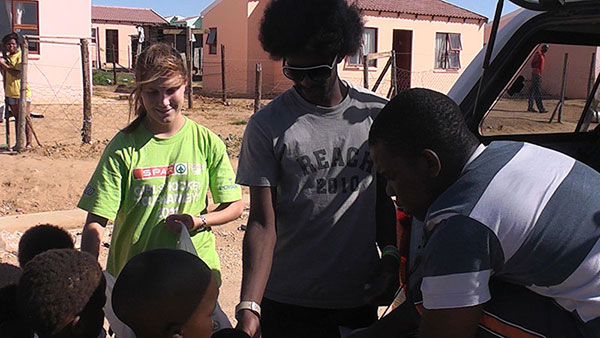
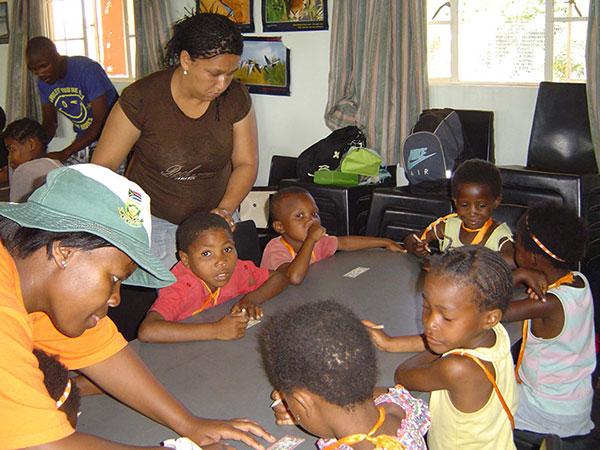
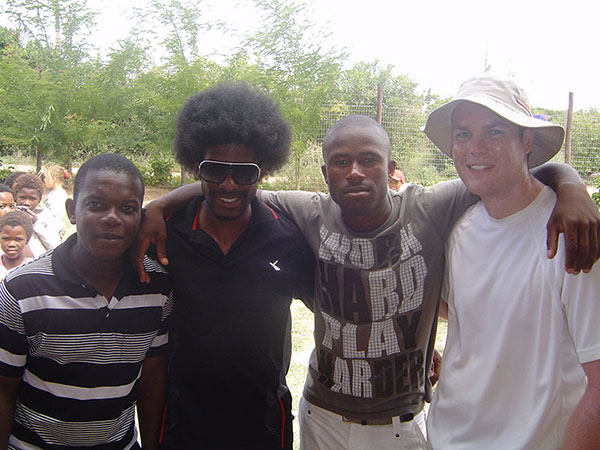
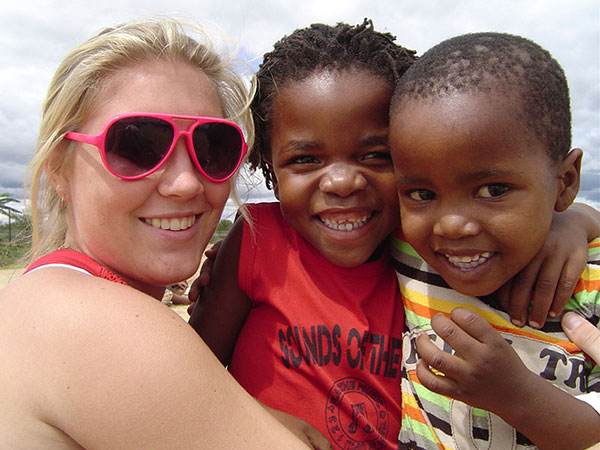
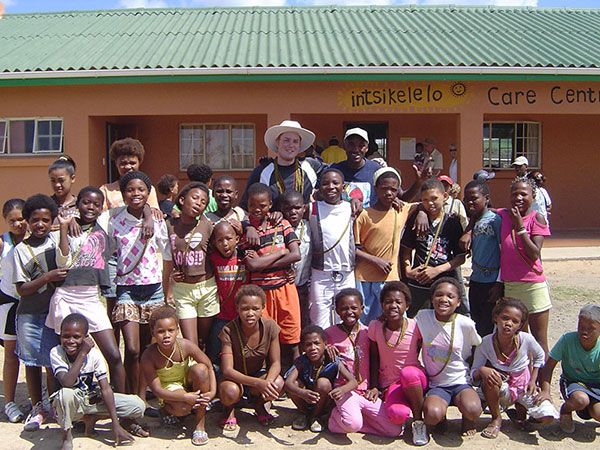
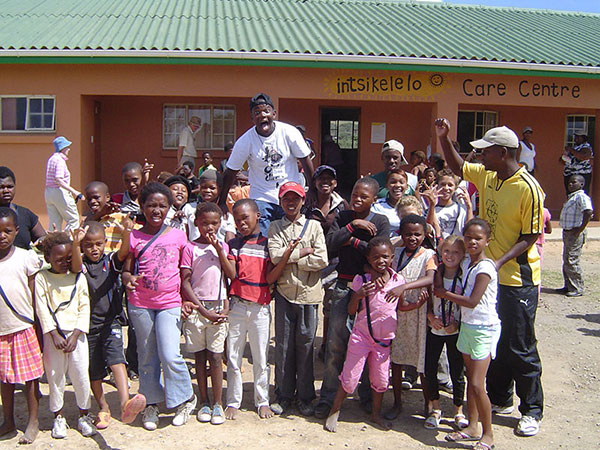
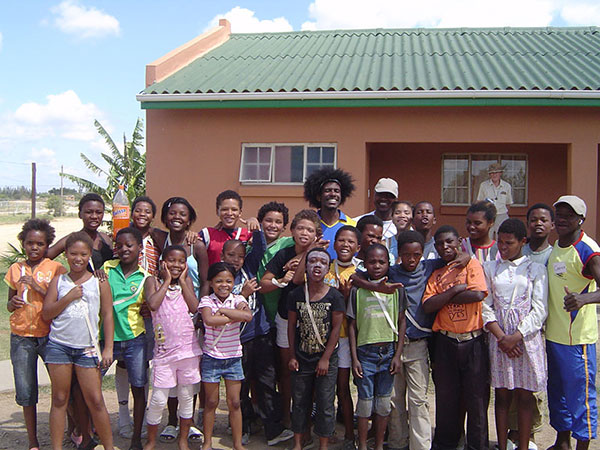
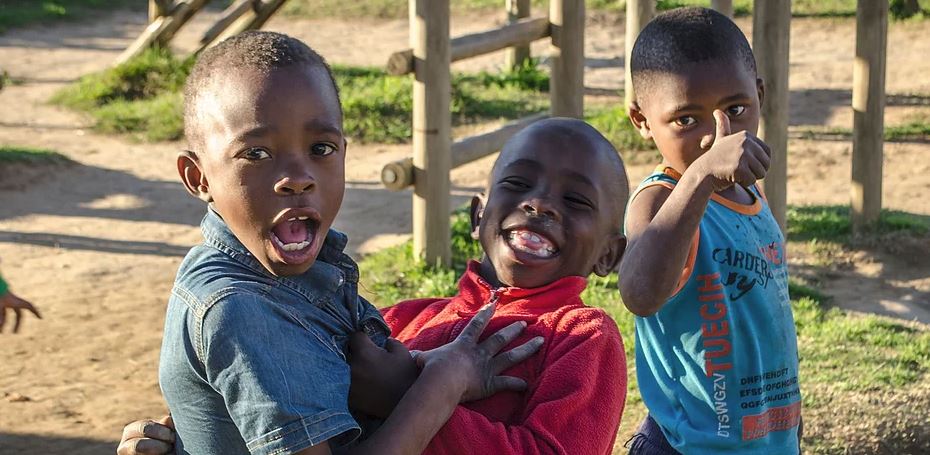
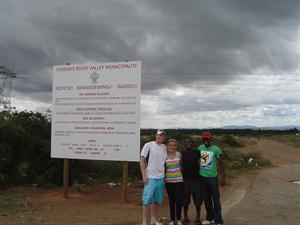
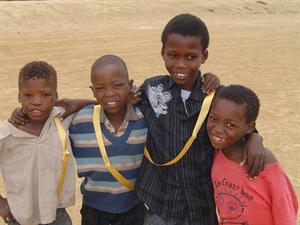
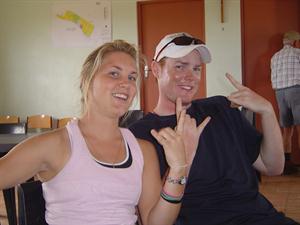
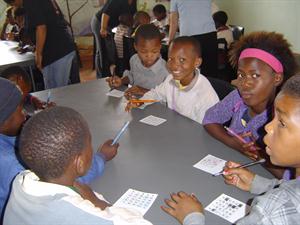
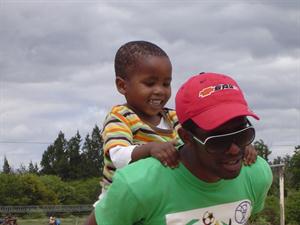
So, as a student from a fairly privileged background I headed to this Addo place, with St Henry’s Marist College alumni Adam Watson, Leroy Sibisi and Stacey Hiron to try and help these Sisters and Brothers run a summer camp for children aged seven to sixteen, none of whom speak English! We run the camp in a settlement known as Langbos where people live in dire poverty, in shacks without lights and water. Alcoholism and child abuse are wide-spread problems. We have about 120 children attending the camp from Langbos and other parts of the Addo region.
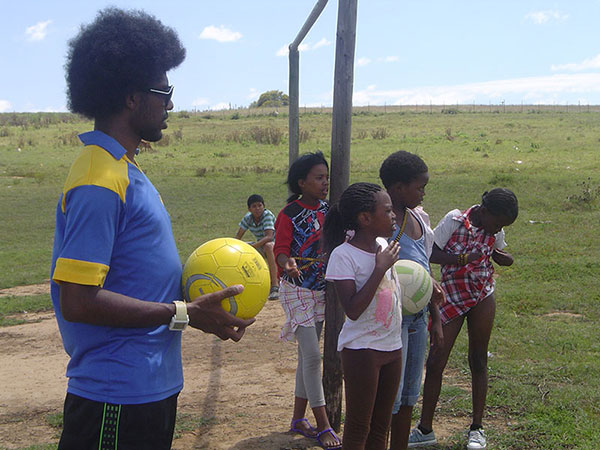
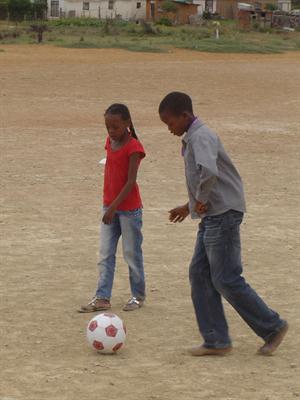
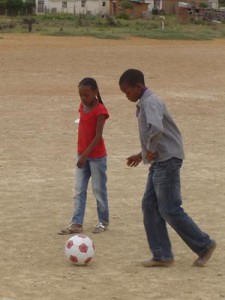
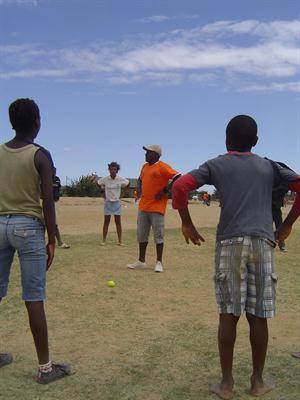
You don’t always notice certain things when you are there – you just get on with it. However, the fact is we play on a soccer field that is as a hard as concrete with weeds and thorns growing everywhere, broken poles at each end, goats crossing the field whenever they please and tin houses encroaching on the field. The children that come to the camp are dressed so smartly, taking huge pride in what they wear. But you see them wear the same clothes every day, getting more worn over the week. Few children arrive early; this is because they refuse to leave their homes with dirty clothes.
I take a particular interest in coaching sports which is one of many activities at this camp. We play games such as soccer, cricket, rugby, pretty much the normal South African favourites. We get equipment from generous donors and receive support from St. Henry’s Marist College in Durban. All money donated is used to benefit the community and the children.
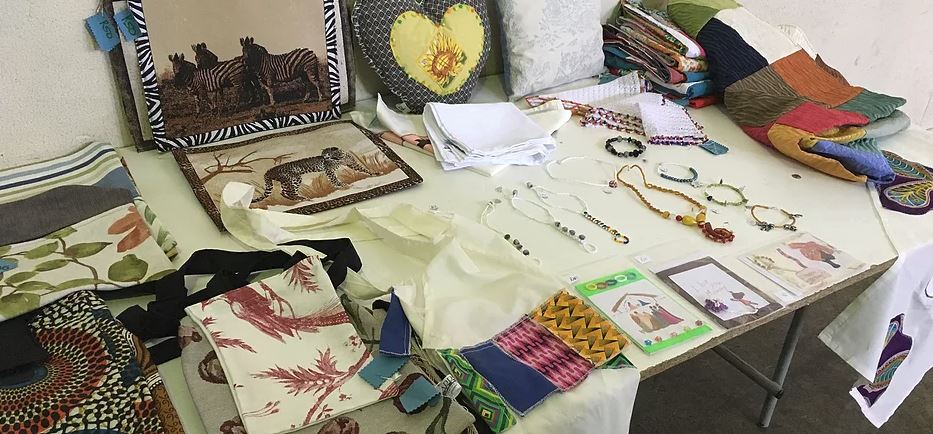
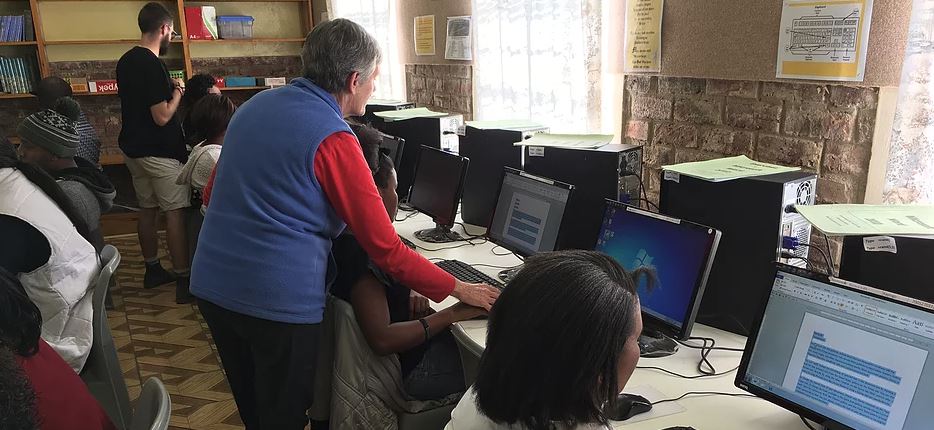
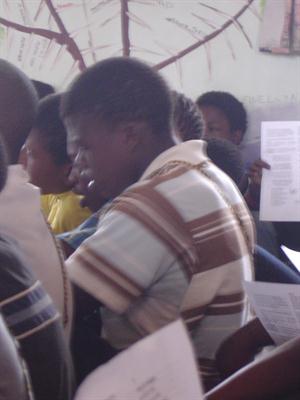
Sports, arts and crafts, cooking skills, computer skills and other general skills are taught throughout the week by my friends and local adults from the area. There are approximately twenty eight volunteers that help at this camp.
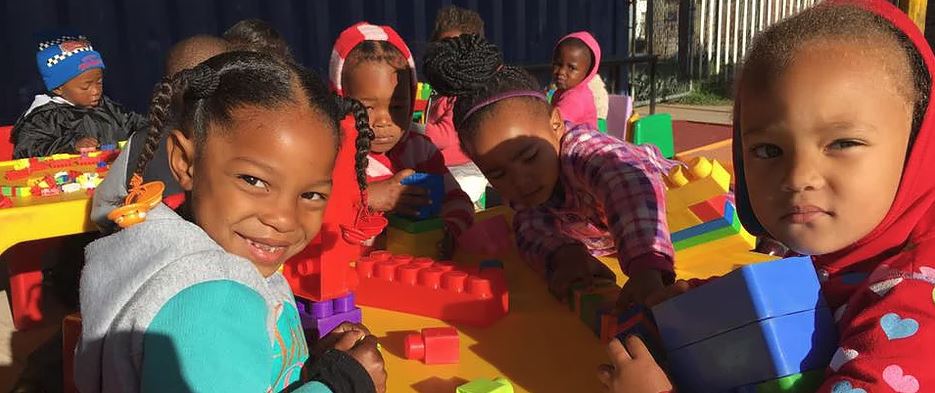
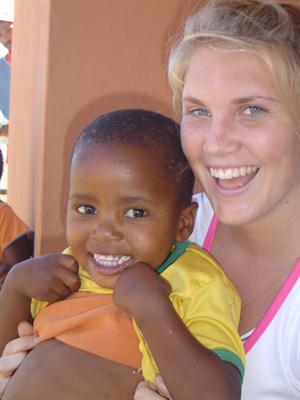
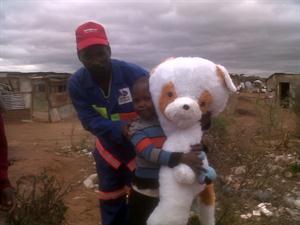
We are also taken into the informal settlements by the Sisters to hand out toys to some of the children of the families that are so badly affected by this disease known as Aids. There are often as many as six children living in one room the size of a small office cubicle with only one small bed.
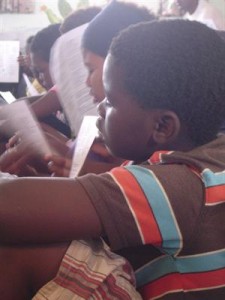
Faces tell a lot, especially on children. On one occasion we went into a house where had been so much sickness – the father died a week previously and the mother was at the end of her life. How could you expect children to smile? You can sense that there is so much misery that a single toy cannot fix a four year old’s life no matter what time of year it is.
When I travel to this area and help with the Sisters and Brothers, I really feel like I am in another world, how can this be the South Africa that I know with world cup winners and record holders. But it is, that’s reality.
It is never easy saying what is needed to help these wonderful people. They need money, they need food and clothes. For me, I concentrate on the children of this community. It is such a promising community with the children who have to live this existence; out of one of these houses, made of tin, could come the next big sports star or academic. They are no different to any other people; they just live in different circumstances.
This camp not only benefits the children but it benefits all those that are involved in the camp.
We have met new people whom we will never forget, made new friends and have been so privileged to be part of the lives of the Marist Brothers and Sisters of Mercy.
Jason Grieve
Volunteer
Intsikelelo Care Centre
If you would like more information on how you can help please do not hesitate to contact the Alumni Office 031 261 7410 alumni@sthenrys.co.za or Jason Grieve grieve@iafrica.com 0836561868